Incentive Structures Directing Engagement in Mobile Soccer Betting and Digital Table Games
Ben Schulz · Oct 19, 2026
Incentive Structures Directing Engagement in Mobile Soccer Betting and Digital Table Games
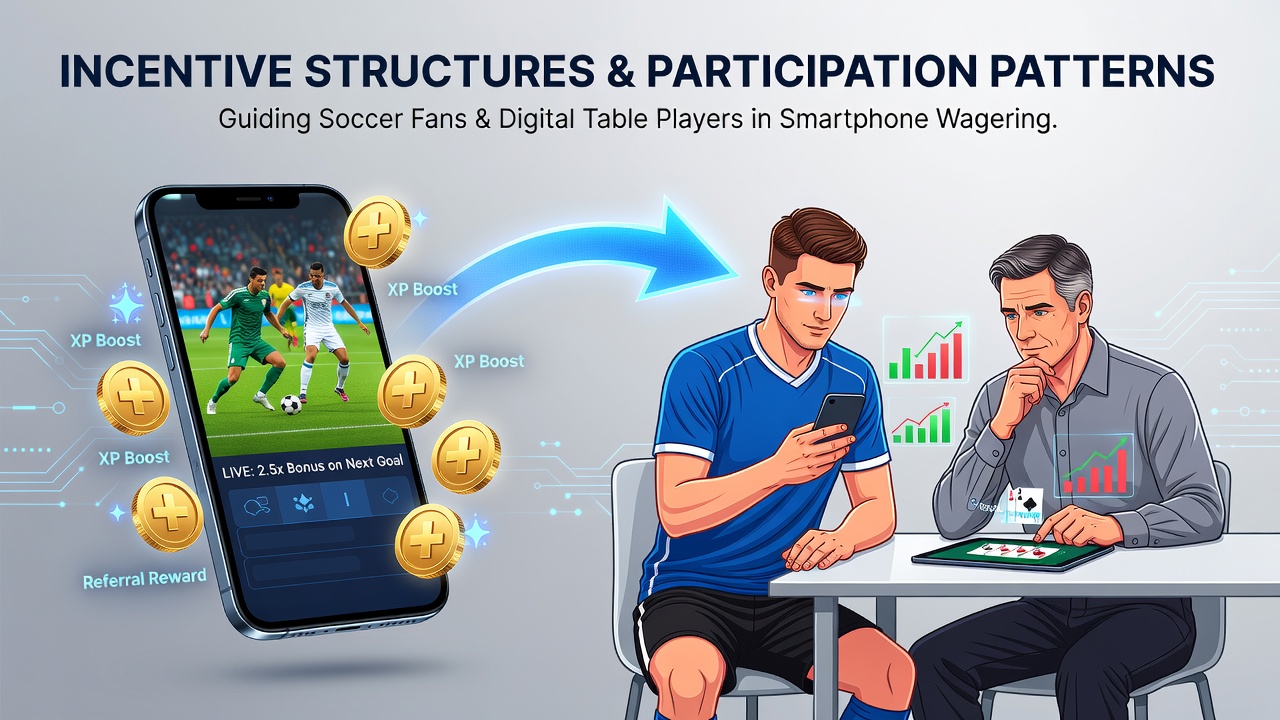
Smartphone wagering platforms deploy layered incentive structures that combine deposit matches, cashback offers, loyalty tiers, and time-limited promotions to shape how users allocate their activity between soccer markets and digital table games, and these mechanisms operate through algorithmic personalization that adjusts reward frequency based on individual betting histories.
Core Components of Platform Incentives
Deposit bonuses typically credit users with additional funds after an initial transfer, while free bet tokens and stake-back percentages activate after a set number of wagers, and these elements combine with progressive loyalty schemes that unlock higher cashback rates or exclusive event access as users accumulate points over consecutive months. Platforms segment offers by game type, so soccer enthusiasts often encounter boosted odds on live in-play markets during major tournaments, whereas digital table game sections feature daily reloads tied to roulette or blackjack volume.
Push notifications and in-app pop-ups further calibrate engagement by highlighting expiring bonuses, and data tracking allows platforms to trigger personalized multipliers for users who have recently shifted activity from one category to another.
Patterns Among Soccer Enthusiasts
Soccer bettors respond to incentives that reward volume during peak fixture periods, with platforms offering enhanced accumulator payouts or risk-free bets on specific leagues that drive increased session lengths on match days, and those who receive tailored promotions for underdog selections show higher participation in lower-profile competitions. Live betting interfaces integrate quick-deposit incentives that reduce friction during fast-moving games, which leads enthusiasts to place more frequent smaller wagers rather than single large stakes.
Research from the University of Nevada, Las Vegas Center for Gaming Research indicates that soccer-focused users extend their average session duration by 27 percent when platforms attach loyalty multipliers to in-play markets, while seasonal promotions tied to international tournaments produce measurable spikes in new account registrations from regions where those events receive heavy coverage.
Behaviors Among Digital Table Game Participants
Digital table game users exhibit different responses, gravitating toward platforms that structure daily login rewards and progressive jackpot contributions around consistent play rather than event timing, and these users often migrate between blackjack, roulette, and baccarat when bonus wagering requirements favor particular titles. Time-limited challenges that award extra spins or table credits after completing a set number of hands encourage shorter but more repeated visits throughout the day.
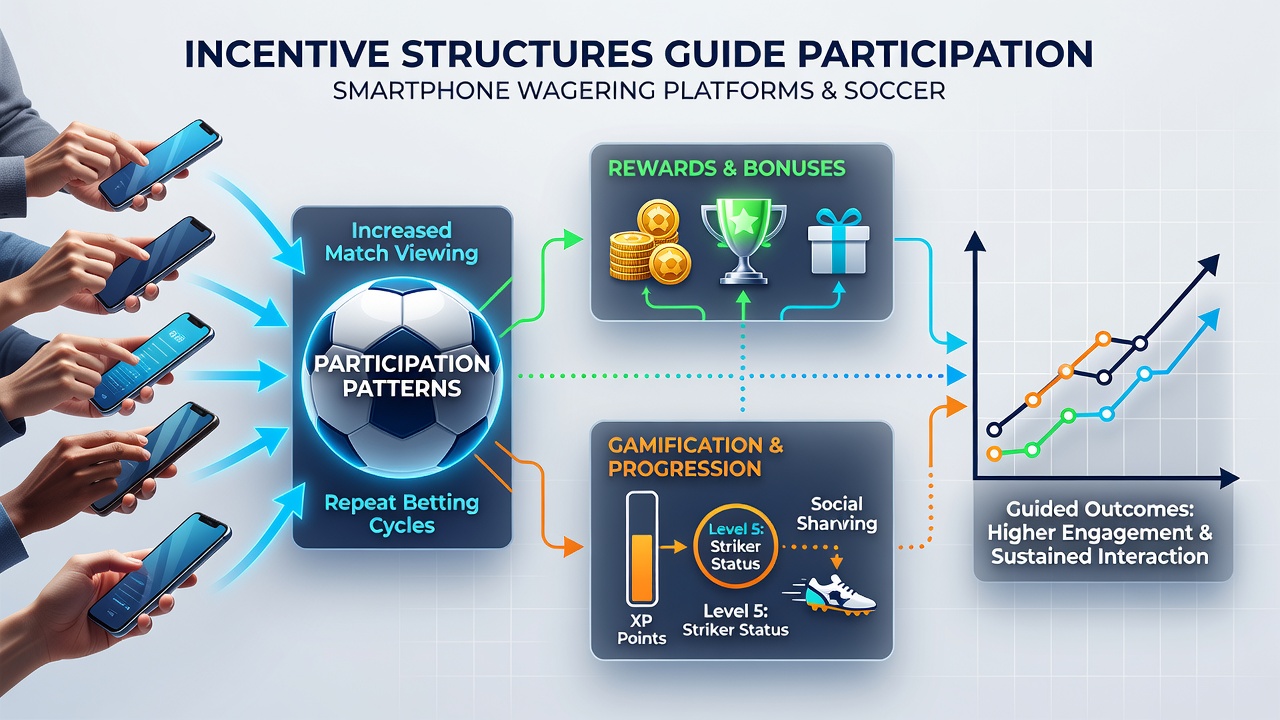
Observers note that cashback offers capped at table game losses produce steadier retention patterns compared with soccer promotions that concentrate activity around weekends, and users who receive hybrid incentives combining table game rewards with occasional soccer cross-promotions demonstrate broader platform exploration across both categories.
Trends Observed in October 2026
Industry figures released in October 2026 from the Australian Communications and Media Authority documented a 19 percent rise in mobile session frequency among users who qualified for tiered loyalty programs spanning multiple game verticals, and similar patterns emerged in reports tracking North American state-licensed operators where soccer and table game segments showed converging engagement curves under unified reward systems. Platforms that synchronized bonus expiration dates across both categories recorded lower user churn rates during that period.
Those who studied these datasets found that algorithmic nudges directing soccer bettors toward table game bonuses during off-peak fixture windows increased crossover activity without reducing overall soccer volume, while table game enthusiasts exposed to soccer accumulator boosts during major tournaments displayed elevated retention when the incentives carried over into subsequent weeks.
Conclusion
Incentive structures continue to evolve through refined data segmentation that aligns reward delivery with observed participation rhythms in soccer markets and digital table games, and platforms that maintain consistent cross-category linkages demonstrate sustained user movement between the two segments according to available regulatory and academic tracking.