Loyalty Programs in Virtual Casinos: Structuring Rewards for Slots and Poker to Optimize Engagement
Leon Klein · Nov 2, 2026
Loyalty Programs in Virtual Casinos: Structuring Rewards for Slots and Poker to Optimize Engagement
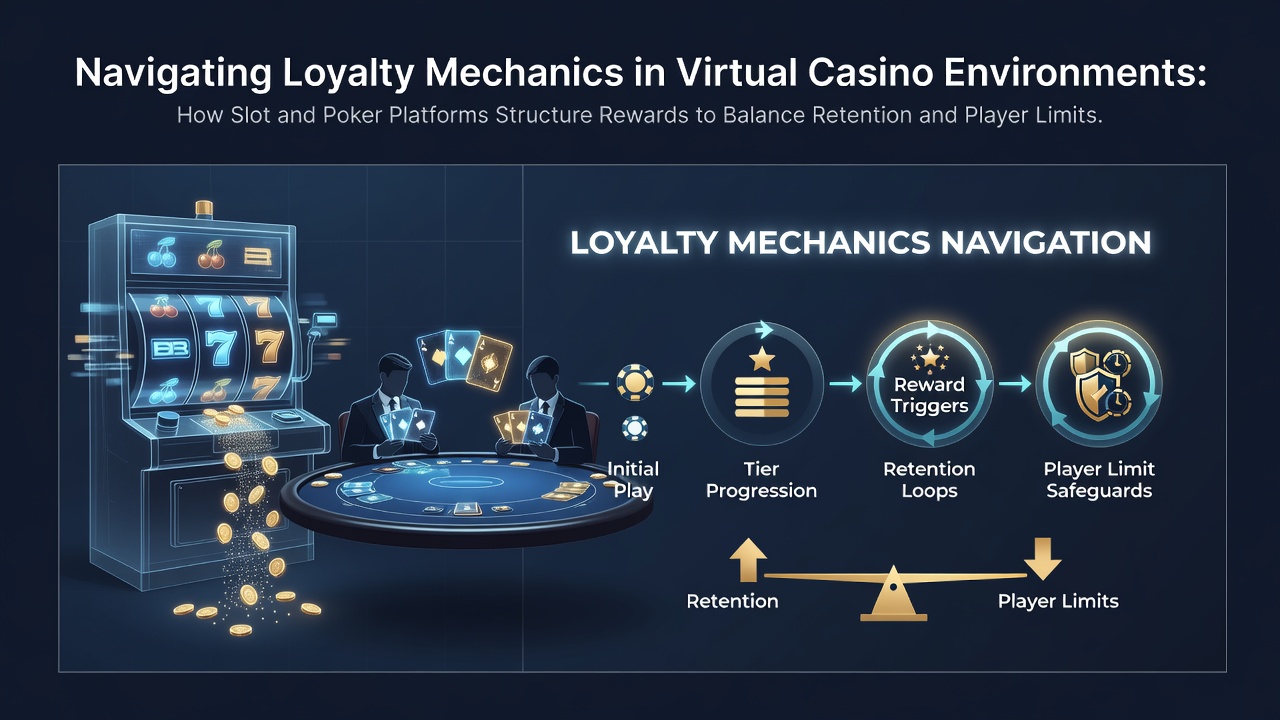
Virtual casino platforms rely on structured loyalty systems to maintain player activity while incorporating built-in safeguards that limit excessive engagement, and these mechanisms differ notably between slot-based environments and poker rooms. Data from industry analyses reveal that operators deploy point accumulation models tied directly to wagering volume, where slot players earn rewards through consistent spin activity whereas poker participants accumulate value via rake contributions and tournament entries. Reports indicate that such designs emerged as standard practice by late 2025, with adjustments continuing into November 2026 as platforms respond to evolving regulatory expectations across multiple jurisdictions.
Core Mechanics of Slot Loyalty Structures
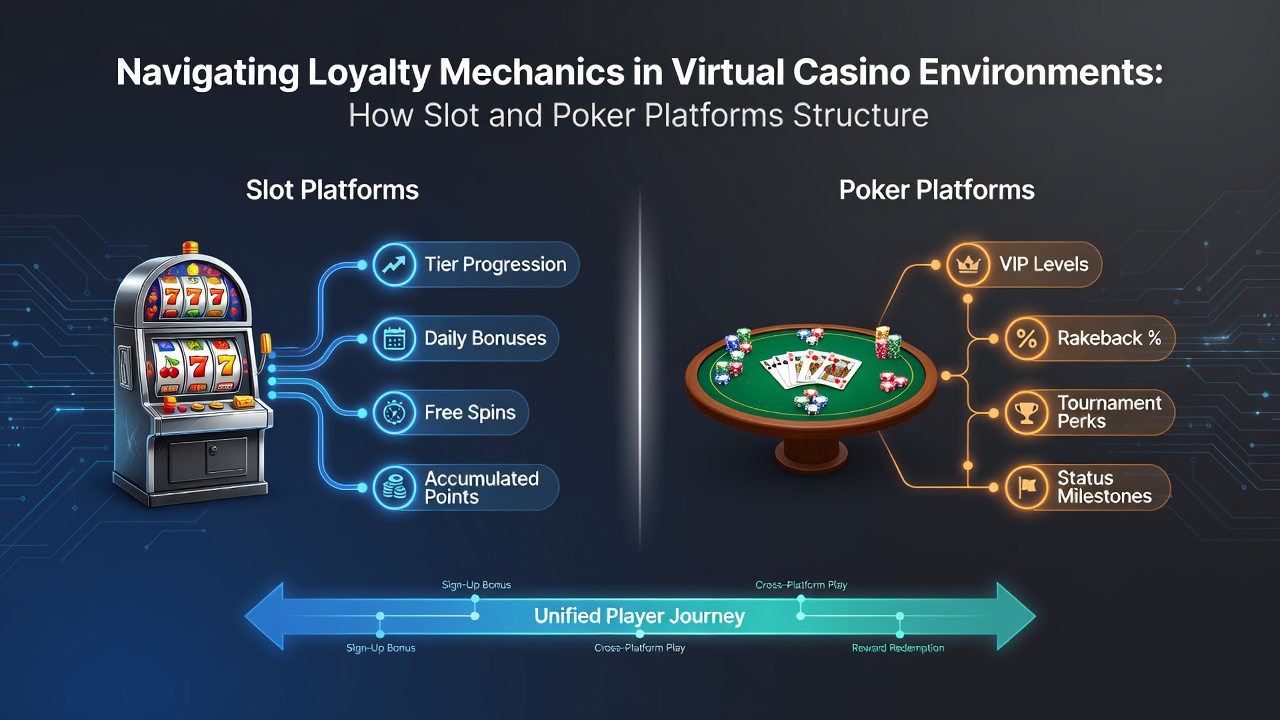
Slot loyalty programs typically assign points based on coin-in amounts, with conversion rates varying by game volatility and operator policy, yet most systems cap daily or weekly point earnings to prevent unchecked accumulation. Researchers at academic institutions have documented how these caps integrate with tiered membership levels, where entry-level players receive basic cashback percentages while higher tiers unlock personalized bonuses such as free spins or deposit matches. One study from an Australian research center found that platforms adjust reward frequency according to session length data, allowing operators to sustain retention without exceeding predefined loss thresholds for individual accounts.
Operators further refine these systems through time-based multipliers that activate during off-peak hours, encouraging staggered play patterns rather than prolonged single sessions. Evidence from platform usage logs shows that this approach distributes engagement across broader timeframes, and it pairs with mandatory cooling-off prompts once players approach preset wagering ceilings. Those who've examined multiple operators note that slot rewards often emphasize volume-based progression, yet they incorporate velocity controls that slow point earning after certain thresholds to align with responsible play guidelines.
Poker Platform Reward Designs
Poker loyalty frameworks center on rake contributions rather than direct wager totals, creating distinct retention dynamics compared with slots. Platforms calculate points from pot rake percentages or tournament fees, then distribute them across cash game tables and multi-table tournaments with separate tracking categories. Industry figures reveal that many systems apply weekly or monthly caps on rake-based points to moderate high-volume player activity, and these limits often reset in alignment with VIP qualification periods. Observers note that poker rewards frequently include leaderboard competitions and exclusive event access, elements that drive participation while the underlying point caps serve as natural boundaries against overexposure.
Additional structures appear in poker environments through milestone bonuses tied to hand counts or hours played, though these activate only after players meet minimum activity thresholds that themselves function as soft limits. Data indicates that operators monitor table selection patterns to offer targeted incentives, such as seat reservations at higher-stakes games for loyal participants who stay within overall volume parameters. Experts have observed that this combination allows poker rooms to retain skilled players through prestige-oriented rewards while maintaining aggregate exposure controls across the player base.
Integration of Retention Goals with Player Limits
Platforms achieve balance between retention and limits by embedding progressive restrictions within reward tiers themselves, where higher benefits require sustained but moderated activity rather than unchecked escalation. Research indicates that many systems employ algorithmic adjustments that reduce reward rates for players nearing historical loss maxima, and these interventions occur without disrupting the visible loyalty progression interface. Government sources from regions including Nevada have documented how such designs support compliance with broader player protection standards, and similar approaches appear in Canadian provincial frameworks that emphasize transparent limit-setting tools.
What's notable is the use of segmented reward pools that allocate bonuses according to both individual behavior and aggregate platform metrics, allowing operators to scale incentives without concentrating value on small subsets of high-activity accounts. Those examining cross-platform comparisons find that successful models combine immediate small rewards with longer-term tier unlocks, creating multiple engagement loops that respect daily, weekly, and monthly boundaries. Figures from trade association reports show continued refinement of these parameters through 2026, particularly as data analytics enable more granular calibration of point earning velocities.
Conclusion
Virtual casino loyalty mechanics in slots and poker demonstrate deliberate engineering that prioritizes sustained participation through tiered benefits while embedding structural caps that align with player limit protocols. Information from regulatory bodies and academic sources confirms these systems continue to evolve, incorporating new data inputs to refine reward distribution and exposure management. As platforms prepare updates scheduled around November 2026, the core architecture remains focused on measurable activity balanced against predefined boundaries that protect overall player cohorts.